Building toward the summer of 2026, the U.S. sporting landscape is becoming increasingly salient and political. With the nation co-hosting the 2026 FIFA Men’s World Cup, the rapid changes to advent of Name, Image, and Likeness (NIL) in college sports and the policy and legal debates surrounding it, and the 2028 Los Angeles Olympics on the horizon, there is a unique opportunity to examine how educators use sports and sport policy to teach political science and public administration.
In June 2026, fourteen educators from across the nation convened online to share how they incorporate sport policy and politics into their classes, the challenges they encounter, and to create and share educational resources and materials with other instructors. As sports in the United States become increasingly central to cultural, political, social, and legal debates, these materials provide a baseline to help political science and public administration faculty stay on the cutting edge of pedagogy. Read the complete co-facilitator's summary of the symposium here.
In this resource collection, please find:
- A thematic Sports, Politics, and Public Administration reading repository.
- A series of writing assignments that can be scaled from introductory to graduate-level courses.
- A customizable bid simulation that illustrates the complexity of public support and the administration of mega-events.
Published: August 2026

Reading repository
Sports, Politics, and Public Administration
Sport has long been central to political life, as a site of national identity, state power, social contestation, and civic belonging. Yet, it remains underrepresented in political science curricula. This collection of reading lists helps bridge that gap by offering instructors concrete resources for integrating sport into undergraduate and graduate courses across the discipline.
Organized around four thematic modules that reflect some of the most generative intersections between sport and political science. The resources are designed to be adaptable, useful whether sport is the primary focus of a course or a recurring case study within a broader syllabus.
Modules
- Race, Gender, and the Body
- Sports and Public Administration Theories
- Sports and Social Movements
- Sports and Soft Power
Curated by:
- Michelle D. Evans, University of Tennessee at Chattanooga
- Michelle Irving, Penn State University
- Luisa Turbino Torres, Florida Atlantic University
- Irene Wu, Georgetown University
Research and Writing Assignments
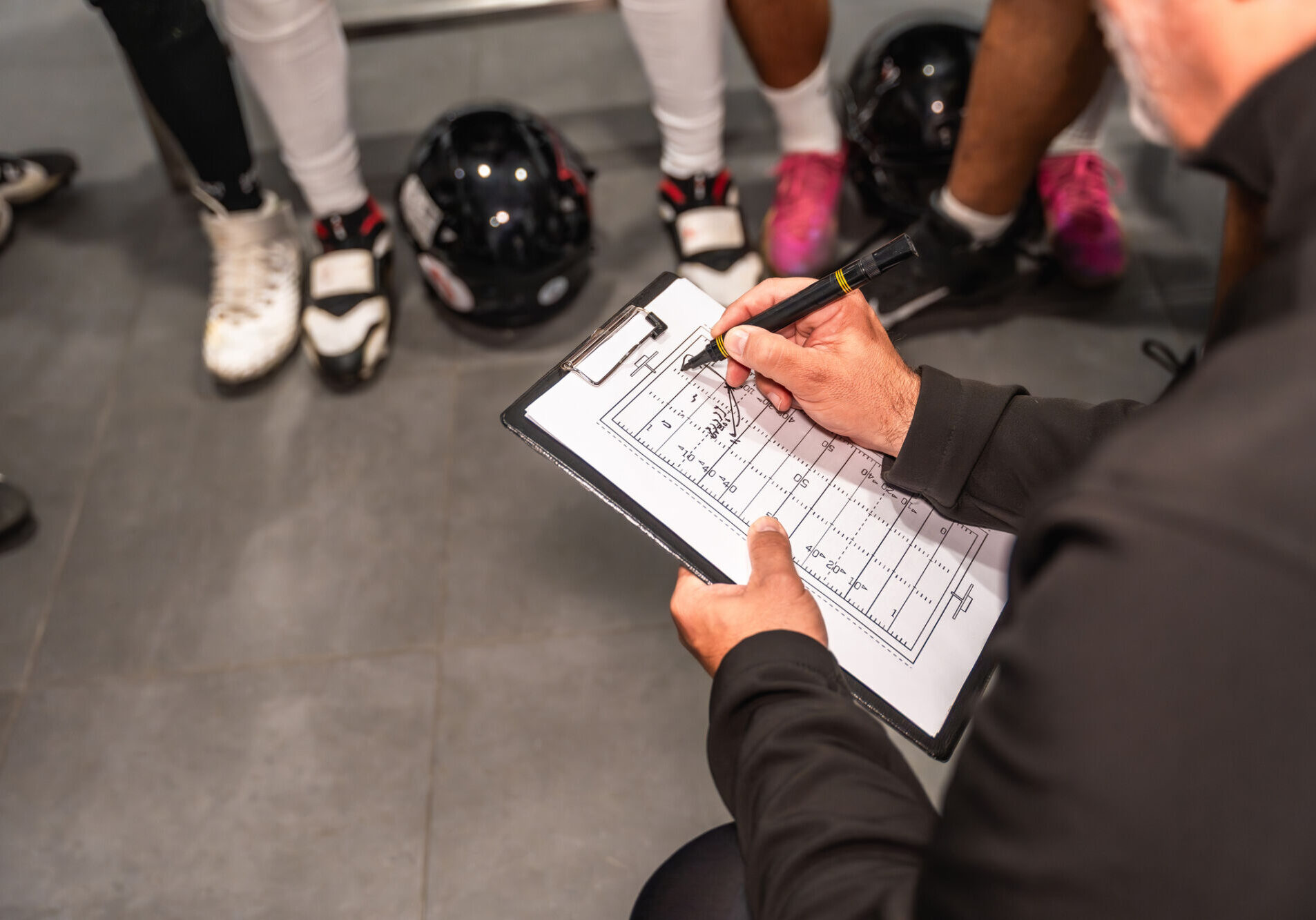
Sports as a Template To Develop Research and Memo Writing Skills
This module introduces sports memo writing assignments and then provides four example variations, with emphasis on the assignment template's adaptability across diverse subjects, instructional levels, and institutional types.
The original assignment shows the power of a well-structured foundation, while the variations demonstrate how that framework can be adapted for a wide array of topics within a single theme.
Original Exercise
- Sports Memo Assignment
Four Variations
- Research Memo
- Scalable Non-Profit Memo Exercise
- Public Policy Memo, Marketing, and Messaging Plan
- Sport, Spectacle, and Political Legitimacy Memo
Curated by:
- Blair Thomas, Western Kentucky University
- Noah Vanderhoeven, Western University (London, ON)
- Sarah Young, University of South Carolina at Aiken
- Ken Cosgrove, Suffolk University
- Marcos Caetano da Silva Filho, Harvard University

Group Research and Writing Assignment
Mega Sports Event Planner
This assignment gives students the opportunity to inhabit the role of a mega-event stakeholder. It is adaptable, allowing for addition or subtraction of groups that fit the course’s overall theme; scaffolding the assignment gives the students multiple opportunities to interact with their peers and update their own efforts.
Students, by the assignment’s completion, will be able to recognize the consequences, positive and negative, that results from the interaction of International Sporting Organizations (ISOs) and governments (this could be at the local, sub-national, or national levels); operationalize contemporary political science theories about the behavior of governments when seeking to host, and eventually hosting mega-events; generate original predictions and theories about the behaviors of stakeholders in relation to mega-events.
Group Mega Sports Event Planning Assignment Includes:
- Instructor's Notes
- Four Assessments
- Reading List
Curated by:
- Kaan Sener, State University of New York Binghamton
- Zack Bowersox, Washington University in St Louis
- Samantha Register, Colorado State University
- Sebastian Mayer, Bellevue College